ENGLISH VERSION
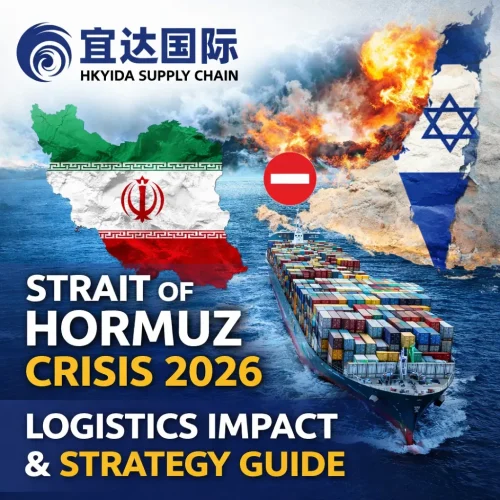
The recent geopolitical escalation involving Iran, Israel, and the United States has introduced significant uncertainty into global maritime logistics networks. Military tensions in the region have directly affected vessel deployment decisions, maritime insurance coverage, and routing strategies across critical trade corridors.
The Strait of Hormuz — one of the world’s most strategically important maritime chokepoints — is currently facing severe operational disruption. As a major artery for energy exports and regional container trade, any instability in this corridor carries direct implications for tanker markets, container shipping routes, and broader global supply chains.
1. Immediate Impact on Maritime Markets
- VLCC crude tanker freight rates are expected to remain elevated due to supply tightening and risk-averse vessel deployment.
- Middle East-related container lanes are experiencing volatility.
- Asia–Europe routes remain operational but face increased uncertainty.
- Peak season expectations (June–August) are being repriced upward due to capacity concerns.
Several major carriers have already adjusted route strategies. Services previously transiting the Red Sea and Suez Canal have been rerouted via the Cape of Good Hope. This significantly reduces the likelihood of full Red Sea reinstatement during the mid-year peak season.
2. Red Sea Reopening Outlook Under Pressure
Earlier market expectations suggested a gradual return to Red Sea transits in 2026. However, renewed instability, heightened security risks, and insurance constraints have materially reduced the probability of near-term reinstatement.
Carrier behavior indicates a prioritization of crew safety, asset protection, and schedule stability. Market sentiment is increasingly pricing in prolonged routing adjustments.
3. Container Vessel Movements Near the Strait of Hormuz
AIS monitoring indicates precautionary movements among container vessels originally scheduled to transit the Gulf region.
Turned Back Vessels:
- Ocean Breeze (700 TEU)
- CMA CGM San Antonio (2800 TEU)
- Contship Uno (1100 TEU)
- CMA CGM Manaus (2500 TEU)
- CMA CGM Saigon (1700 TEU)
Diverted Vessel:
- HONG DA XIN 768 (2700 TEU)
Awaiting Clearance Within Region:
- EPAMINONDAS (6700 TEU)
- H CYGNUS (1800 TEU)
These movements reflect precautionary avoidance rather than standard congestion patterns.
4. Potential Network-Level Knock-On Effects
Two critical variables will determine the broader impact:
- Duration of the disruption
- Geographic spread across additional trade corridors
If prolonged, consequences may include:
- Severe congestion at Asian hub ports
- Equipment imbalance
- Voyage delays propagating across East–West trades
- Capacity tightening during peak season
- Freight rate volatility
5. Air Freight Market Impact
Air cargo markets are also affected. Flight diversions, route suspensions, and airspace restrictions are increasing transit times and operational costs. If sea freight disruptions persist, modal shift from ocean to air may intensify, further tightening global air cargo capacity.
6. Energy & Insurance Implications
War-risk insurance premiums in the Gulf region have increased significantly. Some insurers have withdrawn coverage for vessels operating in high-risk zones. Rising insurance and fuel volatility may indirectly influence container shipping economics and surcharge structures.
7. Strategic Recommendations for Shippers
- Secure capacity early: Avoid last-minute bookings in unstable periods.
- Evaluate alternative routing: Consider Cape of Good Hope detours and multimodal solutions.
- Diversify carrier exposure: Reduce dependency on single-route risk.
- Increase inventory buffers: Build flexibility into Q2–Q3 planning.
- Monitor structural shifts: Focus on global network rebalancing, not just single-route disruption.
Conclusion:
The Strait of Hormuz escalation represents a structural risk inflection point in 2026 maritime trade. While developments remain dynamic, proactive logistics planning and diversified routing strategies will be critical to maintaining supply chain stability.
中文版本
近期伊朗、以色列与美国之间的地缘政治升级,为全球海运物流网络带来了显著不确定性。区域军事紧张局势已经直接影响到船舶部署决策、海运保险覆盖范围以及关键贸易航线的运营策略。
霍尔木兹海峡作为全球最重要的海上咽喉要道之一,目前正面临严重的运营风险。该水域不仅承担着大量能源运输任务,同时也是区域集装箱贸易的重要通道。一旦发生持续性不稳定,将对油轮市场、集装箱航线及全球供应链产生深远影响。
一、对海运市场的直接影响
- VLCC超大型油轮运价在供给收紧与风险规避部署的背景下可能维持高位。
- 中东相关集装箱航线波动加剧。
- 亚欧航线虽保持运行,但不确定性显著上升。
- 6–8月旺季运力预期因风险因素被重新定价。
部分大型船公司已开始调整航线,原经红海与苏伊士运河的服务已改道绕行好望角。这意味着今年中期实现红海全面恢复的可能性大幅下降。
二、红海航线恢复预期承压
市场此前预计2026年红海航线将逐步恢复。然而,持续的安全风险与保险限制使短期内全面恢复的可能性明显降低。
当前承运人更倾向于优先保障船员安全、资产安全及航班稳定性。
三、霍尔木兹海峡附近船舶动态
AIS数据显示,原计划进入波斯湾的部分集装箱船舶已采取预防性行动。
已掉头船舶:
- Ocean Breeze (700 TEU)
- CMA CGM San Antonio (2800 TEU)
- Contship Uno (1100 TEU)
- CMA CGM Manaus (2500 TEU)
- CMA CGM Saigon (1700 TEU)
已改道船舶:
- HONG DA XIN 768 (2700 TEU)
区域内等待船舶:
- EPAMINONDAS (6700 TEU)
- H CYGNUS (1800 TEU)
上述动态体现出风险规避行为,而非常规拥堵。
四、可能产生的全球连锁反应
未来影响取决于两个关键因素:
- 局势持续时间
- 是否扩散至其他贸易航线
若冲突持续,可能导致亚洲枢纽港口拥堵、设备失衡、航程延误向亚欧与亚美航线扩散,并加剧旺季运力紧张。
五、空运市场影响
部分航班改道或暂停运行,延长运输时间并提高成本。如海运受阻持续,部分货物可能转向空运,从而进一步压缩全球空运运力。
六、保险与能源影响
海湾地区战争风险保险费用大幅上升,部分保险机构暂停相关区域承保。保险成本与燃油价格波动可能间接影响集装箱运输成本结构。
七、物流风险管理建议
- 提前锁定运力:避免临时订舱带来的风险。
- 评估替代航线:考虑好望角绕行及多式联运方案。
- 分散承运人风险:降低单一航线依赖。
- 增加库存缓冲:提升供应链灵活性。
- 关注全球网络结构变化:不仅关注单一航线。
结语:
霍尔木兹海峡局势升级已成为2026年全球海运风险的重要转折点。提前规划与多元化布局将是保障供应链稳定的关键。
Get in Touch: 📨
📞 Call us: +86-579-85652921
📱 WhatsApp: +86 19857947022 / +86 13715852726
💬 Live Chat: Chat icon at bottom right
🔗 LinkedIn – Follow Us
🔗 Visit Contact Page
✉️ Or email:
- Mark (USA BD): mark@yidaship.com
Sunny: yd09-ywyida@foxmail.com
📝 Need a Quote Now? Submit via the form below: